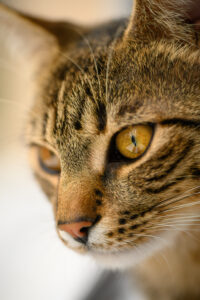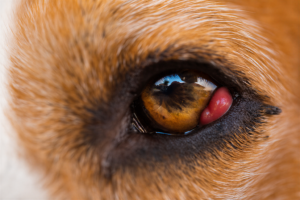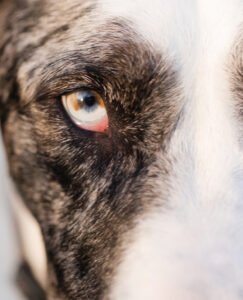
In Florida, we see a lot of pet eye issues, and not just because pets are outside more. Between year-round pollen, bright UV exposure, sand, humidity, and salt air, our climate can be surprisingly tough on eyes.
The tricky part? Many serious eye conditions start with subtle changes that are easy to dismiss.
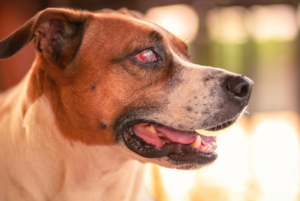
If your pet is squinting, holding one eye partially closed, or suddenly sensitive to light, that’s almost always a sign of discomfort. Squinting isn’t dramatic behavior, it usually means pain. Redness that looks more than mildly pink, especially if it doesn’t improve within a day or two, is another reason to take a closer look. In Florida, we commonly see corneal ulcers from plant debris, allergic inflammation, and even early glaucoma that first presents as a “red eye.”
Cloudiness or a blue haze over the eye should never be ignored. That can indicate corneal swelling, cataracts, or elevated eye pressure. Likewise, persistent tearing, thick discharge, or repeated “eye infections” often point to an underlying problem like dry eye or eyelid abnormalities, not just simple irritation.
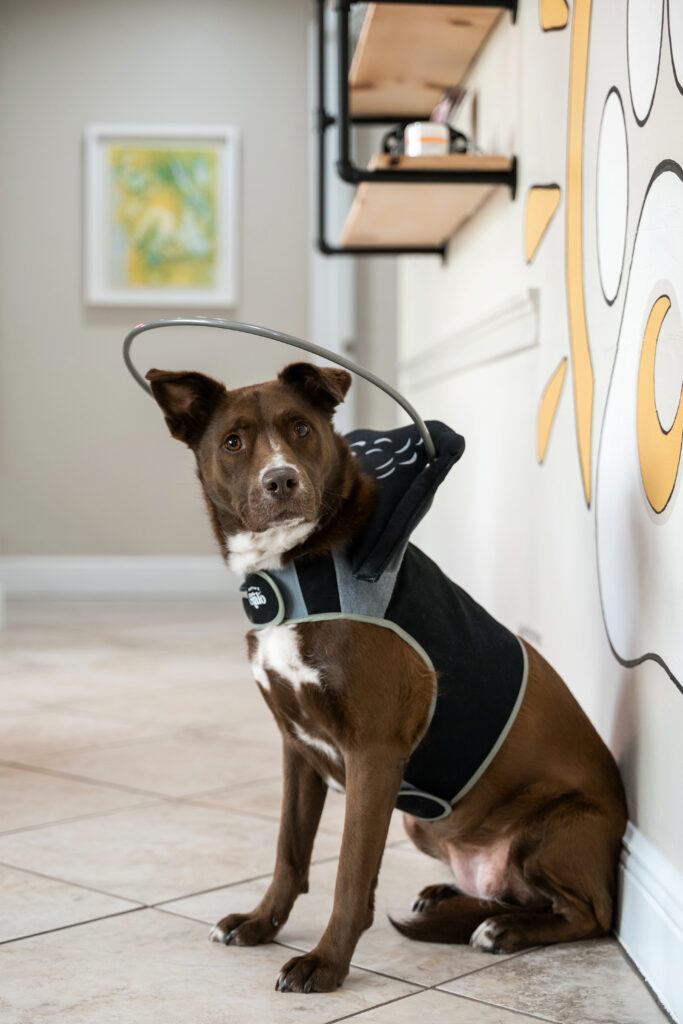
Vision changes can be even quieter. Hesitation on stairs, bumping into furniture, or becoming clingy in dim light may signal retinal disease or progressive conditions that benefit from early diagnosis.
The bottom line for Florida pet owners: if something looks off, trust that instinct. Eyes can change quickly, and early evaluation by a veterinary ophthalmologist can mean the difference between temporary irritation and permanent damage.
In the Sunshine State, protecting your pet’s vision isn’t optional—it’s essential.