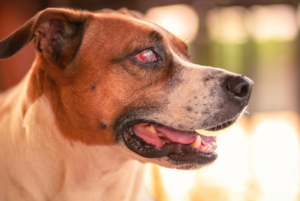
This is a common question that many pooch parents have. You come into the vet office thinking your dog has cataracts, but that may not actually be the case. There are other conditions that make your dog’s eyes cloudy, especially if your dog is getting older.
Dogs are now living longer on average, thanks to advancements in modern veterinary medicine. However, it’s essential to recognize when your dog’s eyes require attention. Here are a few reasons your older dog may have cloudy eyes.
Nuclear Sclerosis
This is the most common reason for cloudy eyes in dogs, especially if your dog is starting to enter their senior years between the ages of 8 and 10. The difference between nuclear sclerosis and cataracts is that with nuclear sclerosis, the eyes are still considered normal in their function, and it usually causes minimal vision impairment.1
Cataracts
These can be age-related (senile), genetic, or due to other conditions like diabetes, especially in dogs. Unlike nuclear sclerosis, cataracts can cause significant vision impairment. So, it’s important to get your dog’s eyes examined. If additional screening or procedures are needed, come visit a veterinary ophthalmologist like us at Visionary Vet Services in Fort Myers and Port Charlotte Florida.
Corneal Endothelial Decompensation
If your dog is getting older, endothelial decompensation is an eye disease that could affect your pet’s eyes. Basically, this is a degeneration of cells (particularly endothelial) in the cornea that can affect both vision and comfort in dogs. Studies have shown that Boston Terriers, Chihuahuas, Dachshunds, German Shorthaired Pointers, and German Wirehaired Pointers are more likely to develop this condition and progresses with age.2
If your dog is aging, you should pay close attention to their eyes. Vision can inhibit their daily function and quality of life, so you want to make sure they are happy and able to move about freely.
Schedule an appointment with us to learn more.