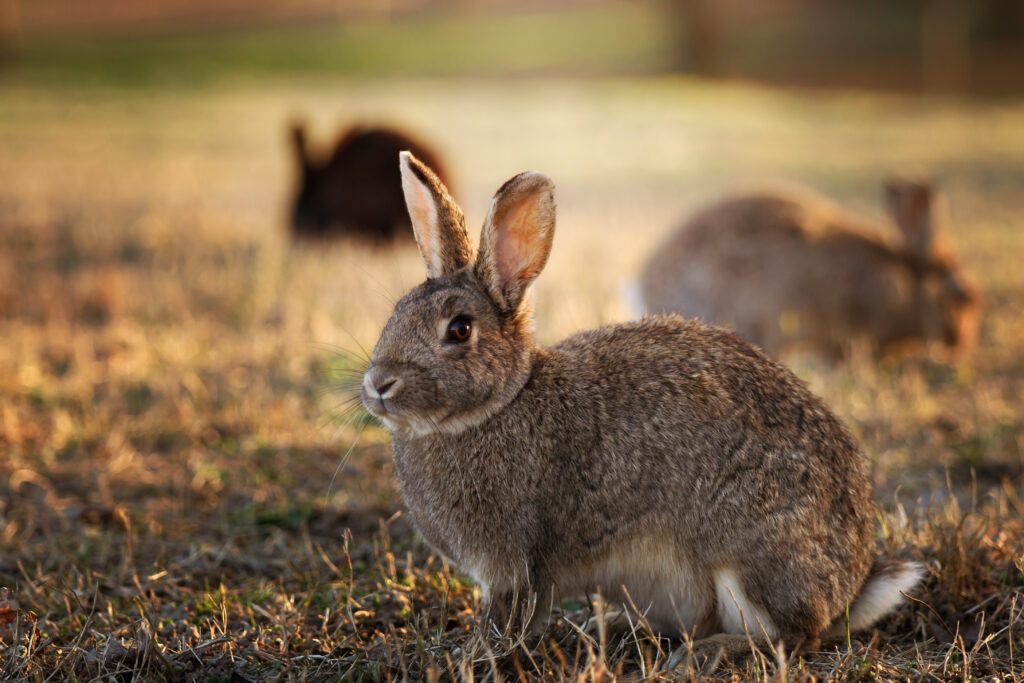
If you are lucky enough to own a rabbit, you already know this: they’re incredibly good at acting like everything is fine—even when it’s not, and that’s especially true when it comes to their eyes.
Rabbits don’t squint dramatically, cry, or complain when something feels off. In fact, many eye problems can be quietly brewing long before anything looks “wrong” on the surface. By the time you notice discharge, redness, or swelling, your rabbit may have been uncomfortable for a while. That’s why routine eye checkups matter, even when your rabbit seems perfectly happy.
Rabbit eyes are kinda weird
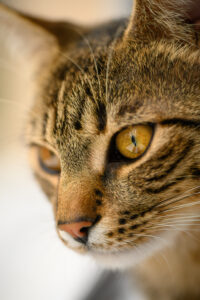
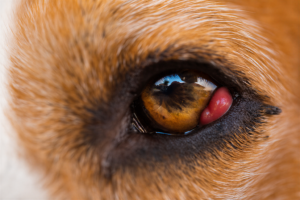
Rabbit eyes aren’t built like dog or cat eyes. Their tear drainage system is narrow, and it runs very close to their teeth and sinuses. That means things like mild dental issues, a stuffy nose, or low-grade infection can easily turn into chronic eye trouble. So if your rabbit has a “runny eye,” it’s usually not just a cosmetic issue, it’s a clue something is up.
Watery eyes aren’t normal
One of the most common things rabbit owners notice is wet fur or crusty buildup near the inner corner of the eye. A lot of people assume this is normal for rabbits, but it’s not. Chronic tearing often means the tear duct isn’t draining properly, or the eye is irritated. Over time, that moisture can cause painful skin infections on the face, not to mention ongoing discomfort for your rabbit.
An eye exam can tell us why it’s happening, and whether it’s something simple or something that needs attention now.
Some eye problems don’t look painful, but actually are
Conditions like glaucoma (high pressure in the eye) or uveitis (internal eye inflammation) can develop quietly. A rabbit may still eat, hop, and act “normal” while slowly losing vision or living with constant discomfort. Checking eye pressure and looking inside the eye during a routine visit can catch these problems early, sometimes before permanent damage happens.
Stress can make eye issues flare up
Some bacteria that affect rabbit eyes can hang out quietly without causing obvious symptoms. When a rabbit gets stressed by travel, a new pet, illness, or environmental changes, those infections can flare up. Regular checkups help us spot subtle changes before they turn into chronic, recurring problems.
Your rabbit’s environment plays a big role
Dusty bedding, dirty litter boxes, and poor airflow can all irritate rabbit eyes. During an exam, we don’t just look at the eye itself—we also talk about housing, diet, and daily care that can make a huge difference in long-term eye health.1
So, if your rabbit’s eyes look clear and bright, that’s wonderful—it’s exactly the right time to check them. Call us to book your appointment today.
- Kern TJ. Rabbit and rodent ophthalmology. Seminars in Avian and Exotic Pet Medicine. 1997 Jul;6(3):138–45. Epub 2006 May 31.